
There’s a new player making waves in an industry dominated by big banks.
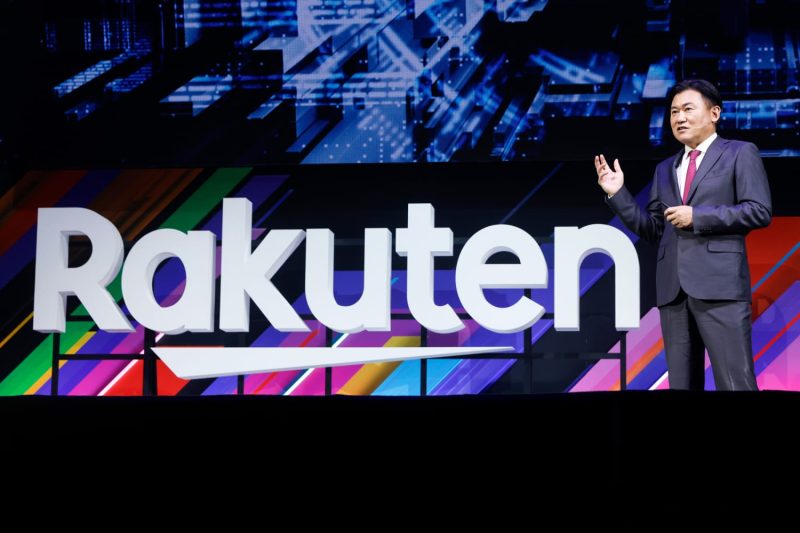
Imprint, the 5-year-old credit card startup, beat out banks in a competitive bidding process for a new co-branded card from online shopping platform Rakuten, CNBC has learned.
The deal is the most recent sign that Imprint is gaining traction in the co-branded credit card industry.
The New York-based startup also just raised $70 million in additional capital, boosting its valuation by 50% to $900 million less than a year from its previous round, according to Imprint CEO Daragh Murphy.
Credit card partnerships with retailers, airlines and hotels are some of the most hotly contested deals in finance. Brands often go through extensive bidding processes to select a card company, while the companies compete for the right to issue cards to millions of loyal customers. The industry’s largest players include JPMorgan Chase, Capital One, Citigroup and Synchrony.
“We’re talking to Fortune 500 companies about being their partner and them choosing us over Synchrony, over Barclays, over U.S. Bank,” Murphy said in an interview. “We have to kind of walk and talk like we’re a big, important company, even though we still have a startup ethos.”
That’s why the company recently raised capital, bringing its total to $330 million, most of which is held on the firm’s balance sheet, according to Murphy. Those funds help show potential partners that Imprint has staying power, he said.
Imprint also has about $1.5 billion in credit lines from banks including Citigroup, Truist and Mizuho, which it uses to extend loans to card customers, Murphy said. The startup is behind the cards from brands including Eddie Bauer, Brooks Brothers and Turkish Airlines.
To offer its credit cards, Imprint usually partners with one of two small banks, First Electronic Bank or First Bank and Trust. Imprint handles the customer experience, including the technology and credit decisions, while using the credit card rails of regulated banks.
In the case of the Rakuten card, Imprint is relying on the American Express network, which allows users to get Amex purchase protections and other perks. It is using First Electronic Bank to help issue the cards.
“Though we’re not a regulated bank, we’re effectively building a bank,” Murphy said. “We have to do all the same things as a bank. We’re a capital markets company; we’re a compliance company; we’re a risk and credit and fraud company; we’re a technology company.”
To gain a toehold in the market for co-branded cards, which can be used anywhere credit cards are accepted, Imprint decided it would focus on a seamless digital experience for customers, Murphy said. That requires technology integration that is difficult for established players who rely on third-party companies including Fiserv to complete transactions, he said.
“The banks are in trouble because they don’t own the technology that the credit card runs on,” Murphy said. “Every credit card in your wallet, whether it’s Chase … or from Citi or Synchrony, they rely on two or three different third parties to power the technology.”
Imprint also decided to set itself apart by making it easy for customers to pay off their loans, Murphy said. Card companies including Bread Financial and Synchrony make a far larger percentage of revenue from late fees than Imprint does, he said.
“You shouldn’t have all these regressive late fees, and you shouldn’t make it hard to pay,” Murphy said. “The easier we make it to pay, the more likely you are to use the card, and the more likely you are to use the card, the better it is for everybody.”
Finally, Murphy said the company’s low customer acquisition costs allow it to fund more rewards for card users.
The new Rakuten card, for instance, offers users an extra 4% in cash back in addition to what customers earn through shopping on the online portal, capped at $7,000 in spending per year.
Users also earn 10% in cash back while dining at Rakuten’s partner restaurants, and 2% cash back on groceries and non-partner restaurants.
The previous Rakuten credit card was issued by Synchrony and discontinued in 2022.